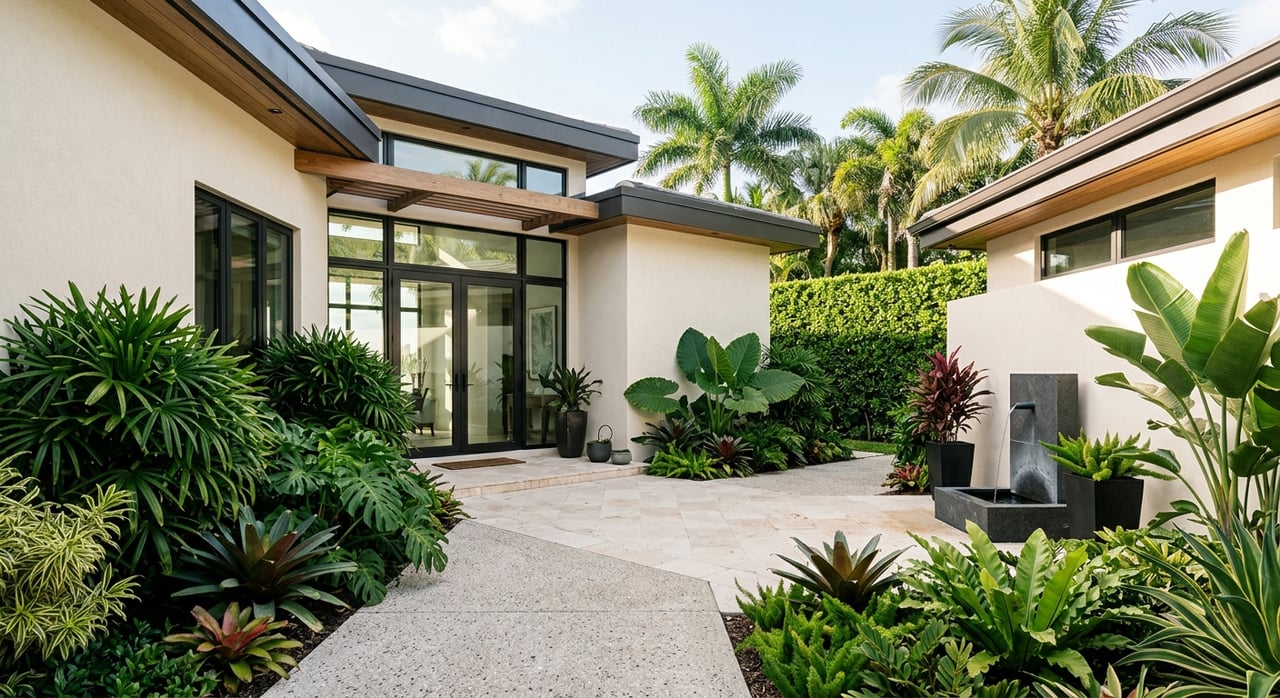
Trying to decide between short-term vacation bookings and a long-term lease in Dorado del Mar? You are not alone. Owners here see strong demand from visitors and longer-stay renters, but the rules, HOA landscape and operating choices can feel complex. In this guide, you will learn how the local market behaves, the licenses and taxes you must secure, the real costs and risks to plan for, and a simple framework to pick the right path for your property. Let’s dive in.
Dorado del Mar rental demand at a glance
Dorado’s resort cluster and beaches attract steady visitor interest, which supports vacation rentals alongside longer stays. The area’s lodging and attractions, including the Ritz-Carlton Reserve at Dorado Beach and nearby golf and shoreline, are highlighted in regional travel guides that point visitors to Dorado as a destination. You can see that context in the official destination overview of where to stay in Dorado from Discover Puerto Rico (resort assets and beaches are a consistent draw) at this Dorado lodging and attractions guide.
For short-term rentals, market snapshots show active supply and premium pricing potential for well-appointed homes, but occupancy varies by season and property. AirDNA’s Dorado page has reported around 563 active listings and roughly 48% average occupancy, with entire-home listings and a high prevalence of air conditioning, fast internet and parking. These are illustrative figures and change frequently; always confirm the latest data at AirDNA’s Dorado overview before you model returns.
Short-term rentals: income and workload
What works for STR in Dorado del Mar
Vacation guests in Dorado expect comfort and convenience. Entire homes or condos with reliable AC, high-speed Wi‑Fi, a well-equipped kitchen and parking tend to earn more attention. Clear information about beach access, golf, and local highlights helps your listing stand out and sets guest expectations early.
Operations and costs to expect
Short-term rentals can deliver higher nightly rates, but they require active management. Plan for guest communications, dynamic pricing, frequent cleanings and linen service, damage resolution, and routine maintenance for items like pools, A/C and pest control. Full-service STR managers often charge about 20–30% of gross revenue, depending on scope and service level, which aligns with investor guides for Puerto Rico; see typical ranges and cost items summarized in this Puerto Rico investment and management guide.
You also need to budget for taxes and licenses. Puerto Rico treats short-term rentals as taxable hospederías. The Puerto Rico Tourism Company (PRTC) requires registration, an innkeeper ID and monthly room-tax filings. The room-occupancy tax is currently 7% for stays under 90 days. You can review the registration and filing steps at the PRTC room-tax portal and see the governing statute in Ley 272 (Room Occupancy Tax).
On top of commonwealth rules, the Municipality of Dorado requires a local short-term rental license. Dorado’s ordinance outlines the application, documentation and fees. The regulation sets annual license-fee tiers, for example, a $1,000 annual fee for up to two residences, with higher tiers for larger portfolios. Always confirm current steps and fees with the municipal Recaudaciones office. You can read the regulation text here: Dorado STR ordinance (OM‑03‑2025‑2026).
Risks to plan for
- Power reliability. Puerto Rico’s grid experiences storm-related and island-wide outages. If you host guests, a backup plan is essential. Consider a generator or battery system, surge protection, and clear guest instructions for outages. LUMA’s Storm Center provides preparedness and outage information: LUMA Storm Center.
- Flood and storm exposure. Dorado is coastal, so check your parcel on FEMA’s map and review resilience guidance. Flood and wind exposure can affect insurance costs and HOA assessments. Start with the FEMA Flood Map Service Center.
- Insurance fit. Standard homeowner policies often exclude business activity. Many hosts secure STR-specific property and liability coverage and confirm hurricane and flood protection. This Puerto Rico–focused overview explains common gaps and options: Short-term rental insurance in Puerto Rico.
Long-term rentals: stability and simplicity
Why consider LTR in Dorado del Mar
Long-term leases typically deliver steadier monthly income with less hands-on work. You will have fewer turnovers, fewer guest-service expectations, and a simpler operating rhythm. In a gated, resort-adjacent community like Dorado del Mar, the neighborhood character can suit longer-stay renters who value stability.
Cost structure and management
Management fees for long-term properties are generally lower than full-service STR arrangements. Investor guides for Puerto Rico often cite 8–12% of monthly rent for LTR management, compared with 20–30% of gross revenue for STR depending on scope; see ranges in the Puerto Rico investment and management guide. Budget for periodic vacancy, routine maintenance and capital reserves, especially considering hurricane-season needs.
HOA rules in Dorado del Mar: read first
Before you rely on STR income, review your community documents carefully. In Dorado del Mar, the property association amended its code to prohibit short-term rentals, and owners challenged the change. In 2024, the Supreme Court of Puerto Rico vacated an appellate dismissal and remanded the case for further proceedings. That means the dispute is active and the outcome depends on the governing documents and future court findings. Start by obtaining the escritura matriz, condominium declaration, by‑laws and any recent assembly resolutions, and consult local counsel as needed. You can read the court notice here: TSPR decision notice in the Dorado del Mar case.
Decision framework: choose STR or LTR
Use these questions to match your property and goals to the right path:
- Location and product. Are you close to beaches and resort amenities, and is your home an entire-unit setup with AC, high-speed internet and parking? If yes, STR demand may be stronger.
- Time and team. Do you have the time or a manager for guest communications, rapid turnovers and dynamic pricing? If not, LTR may be a better fit.
- Cash-flow needs. Do you prefer higher gross potential with variable monthly income (STR) or steadier monthly income with fewer spikes (LTR)?
- Risk tolerance. Are you prepared for seasonality, sudden repairs, and outage logistics? STR requires more contingency planning and reserves.
- HOA and compliance. Can you lawfully operate as an STR under your HOA, and will you complete PRTC registration and Dorado’s license? If the answer is “not sure,” pause and verify.
- Exit and flexibility. Do you want to use the property personally at times? STRs can offer more personal-use flexibility between bookings if allowed by your HOA and license terms.
Budget model: compare net income
Build two side-by-side projections and compare net, not just gross.
- Estimate STR revenue and costs
- Revenue. Start with a conservative ADR and occupancy scenario informed by a recent data pull from AirDNA. Add cleaning and extra-guest fees if applicable.
- Variable costs. Cleaning, linen, restocking, platform commissions, dynamic pricing software (if used), credit-card processing.
- Fixed costs. HOA dues, property insurance, flood/wind coverage, utilities you will pay, routine maintenance and pest control, reserves for storm-related repairs.
- Management. Full-service STR management often ranges 20–30% of gross revenue, depending on service level.
- Taxes and licenses. PRTC room tax collection and monthly filings for stays under 90 days, municipal STR license fees and any municipal patente.
- Estimate LTR revenue and costs
- Revenue. Market rent with a conservative vacancy assumption between tenants.
- Fixed costs. HOA dues, insurance, property taxes, routine maintenance, reserves for major repairs.
- Management. Typically 8–12% of monthly rent for standard LTR management.
- Turnover costs. Make-ready, paint, minor repairs, and marketing when a tenant moves out.
When you compare the two models, stress-test both with a few what-ifs: a month of vacancy, an A/C replacement, a multi-day outage, or an HOA special assessment. This helps you decide which path is more resilient for your situation.
Due-diligence checklist before you list
Legal and licensing
- Register as an innkeeper with the PRTC, obtain your ID and learn how to file the monthly room-occupancy tax for stays under 90 days.
- Apply for Dorado’s local short-term rental license and confirm the current fee tier, forms and timelines with the municipal Recaudaciones office.
- Read your property’s Escritura/Title, condominium declaration, by‑laws and any recent assembly resolutions. Verify whether STRs are permitted and how rules are enforced.
Financial modeling
- Build conservative STR and LTR projections using recent market data, then subtract management, cleaning, insurance, HOA, utilities, platform fees, PRTC room tax and municipal patente or license fees.
Risk and insurance
- Get written quotes that explicitly cover STR activity if applicable, and confirm hurricane and flood protection. Ask about wind deductibles and business-liability coverage.
- Review FEMA flood maps for your parcel and request an elevation certificate if needed.
- Create a backup-power and outage protocol for guests, including clear instructions.
Guest experience and operations
- Confirm reliable high-speed internet and AC. Draft neighbor-friendly house rules. Set up a local emergency contact and trusted vendors for cleaning and repairs. Fund reserves for seasonal maintenance and hurricane events.
How we can help
Choosing between short-term and long-term rentals in Dorado del Mar is not just about price per night versus monthly rent. It is about legal fit, HOA compliance, real operating capacity, and risk planning. If you want a clear, local view of both paths, our boutique team can help you compare projections, navigate PRTC and municipal steps, and set up marketing and management aligned with your goals.
Ready to map your best rental plan in Dorado del Mar? Connect with Unique Properties & Real Estate Services, PSC for bilingual, local guidance and hands-on support.
FAQs
What permits do I need for short-term rentals in Dorado del Mar?
- You must register with the Puerto Rico Tourism Company for an innkeeper ID and room-tax filings, and you need Dorado’s annual municipal short-term rental license with applicable fees.
Does Dorado del Mar’s HOA allow short-term rentals today?
- It is unsettled; the association’s rule changes were challenged and the Supreme Court remanded the case, so review your community documents and consult local counsel before listing.
How is Puerto Rico’s 7% room-occupancy tax handled?
- Register with PRTC, collect 7% on stays under 90 days and file monthly; some platforms may remit for certain bookings, but you remain responsible for compliance.
What management-fee ranges should I expect?
- Long-term property management often ranges 8–12% of rent, while full-service STR management commonly ranges 20–30% of gross revenue depending on services.
How should I plan for power outages with rentals?
- Provide backup power where possible, share clear outage instructions, use surge protection, and have a local contact ready for guest support and urgent repairs.
Which amenities matter most to Dorado vacation guests?
- Reliable AC, high-speed Wi‑Fi, parking, a well-stocked kitchen and clear beach access info are commonly expected and can improve booking performance.