If you are thinking about buying in Costa Dorada, the name alone can make it sound simple. In reality, this part of Dorado deserves a closer look because not every unit, building, or association works the same way. A little homework now can help you avoid surprises later, protect your budget, and buy with more confidence. Let’s dive in.
Costa Dorada in Dorado
Costa Dorada sits within the broader Dorado del Mar area, which places it inside one of Dorado’s best-known coastal and resort-adjacent corridors. Dorado is on Puerto Rico’s north coast along the Atlantic Ocean, and the municipality describes much of its territory as coastal plain and relatively flat. That setting shapes both the lifestyle and the practical ownership questions you should ask.
For buyers, the big takeaway is that Costa Dorada is not best understood as a separate inland neighborhood. It functions more like a condo and villa community within the larger Dorado del Mar environment. That means location benefits may include proximity to beach access, resort-style surroundings, and golf-related amenities, but the exact experience depends on the specific property you choose.
Property Types Vary
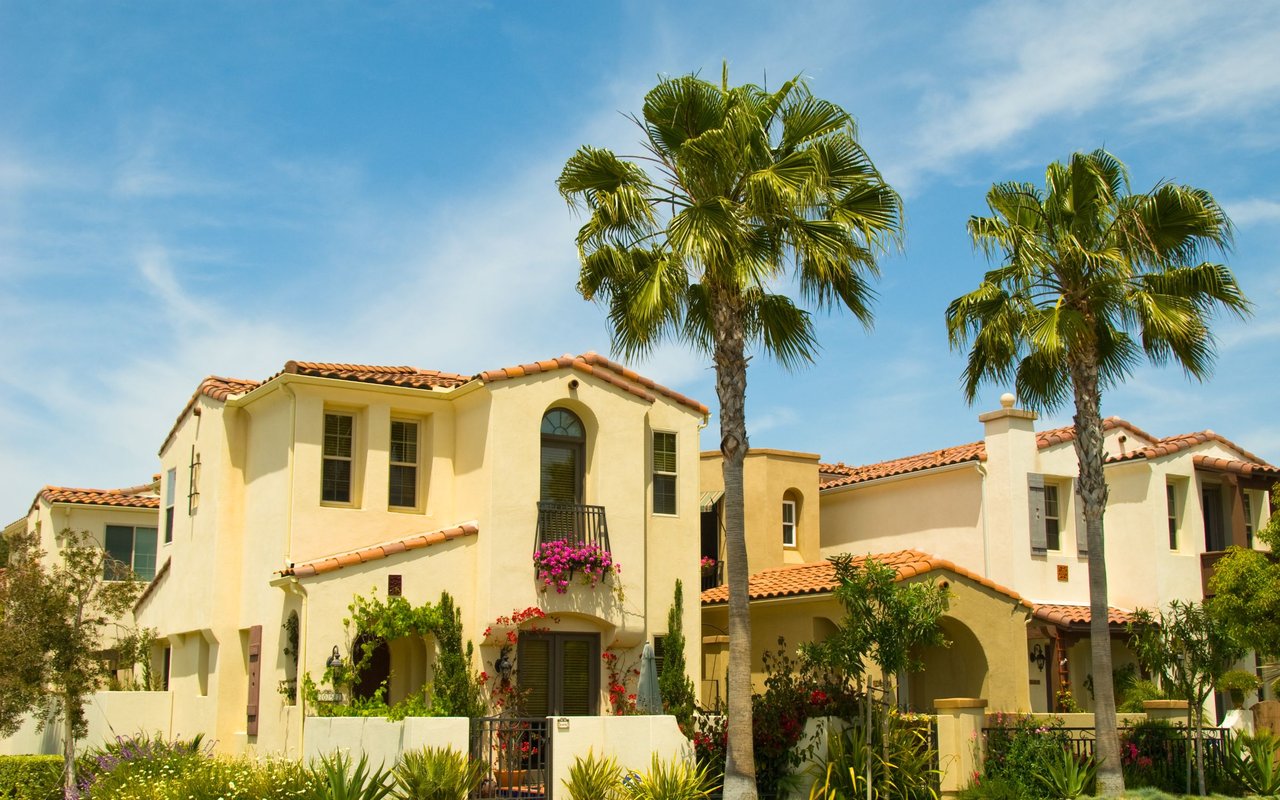
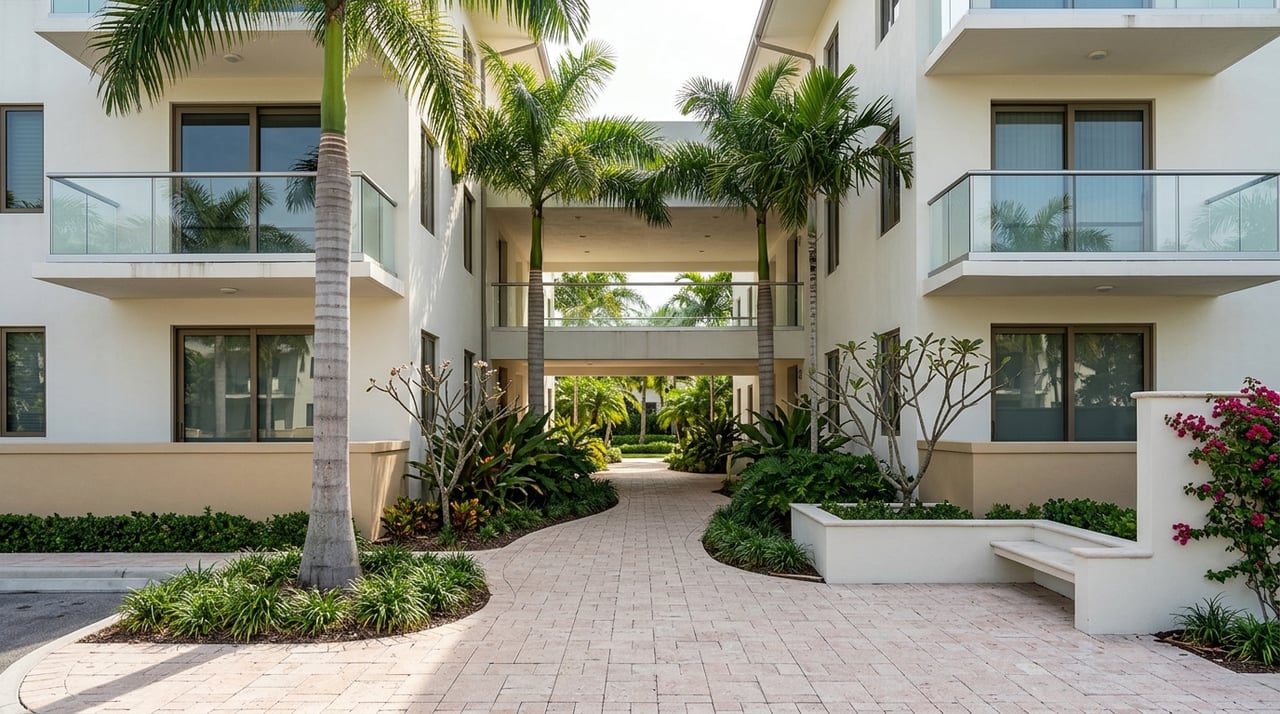
One of the most important things to know before buying in Costa Dorada Dorado is that there is no single property template. Current listing examples show a mix of waterfront condominiums and two-story villas, with different sizes, layouts, and ownership features. You may see anything from a 2-bedroom condo to a larger 3-bedroom villa with added rights tied to the roof or beach access.
That variation matters because two listings in Costa Dorada can look similar online while operating very differently in real life. One unit may include deeded beach access, while another may simply benefit from nearby community access. One villa may include roof rights for a generator, solar panels, or a water tank, while another may not.
HOA Details Matter More Here
Costa Dorada appears to include different buildings and associations, so you should not assume that dues, rules, or maintenance responsibilities are standard across the community. Sampled listing data show HOA fees around $280, $347, and $383 per month. Just as important, those fees do not all cover the same things.
In some cases, monthly dues may include items like 24-hour guard service, security, and pool access. In others, they may cover grounds maintenance, reserve funding, and on-site maintenance. Before you make an offer, ask for a clear breakdown of what the monthly fee covers and what remains your responsibility as an owner.
Review Condo Documents Early
Puerto Rico’s Condominium Law 129-2020 gives condominium councils legal personality and requires annual budgets. The law also says the annual budget must include a reserve fund of at least 5% of total annual expenses. For you as a buyer, that makes the building’s financial health a major part of your due diligence.
This same law says the community reglamento should be made available to a prospective buyer through the broker or condominium administrator within 5 business days if requested. That gives you a practical next step early in the process. Instead of waiting until late in the transaction, request the bylaws, budget, reserve information, and community rules as soon as serious interest begins.
Rental Rules Can Differ
If future rental income is part of your plan, this is one of the most important areas to verify. Puerto Rico’s Condominium Law 129-2020 says short-term rentals generally cannot be prohibited unless the master deed or bylaws already impose a prohibition or minimum term. At the same time, associations may regulate the rental process and may charge a special monthly fee for short-term rentals up to the amount of the maintenance fee.
That legal framework does not mean every Costa Dorada unit is short-term-rental friendly. Current listing examples show different rules from one association to another, including a 3-month minimum lease in one case, a 6-month minimum lease with no Airbnb or short-term rental in another, and association approval requirements in another. If rental flexibility matters to you, confirm the exact rule for that exact building before you write an offer.
Coastal Living Brings Extra Checks
Buying near the water can be a great lifestyle move, but it also comes with practical ownership questions. Puerto Rico’s coastal access guide includes Dorado’s coast and specifically identifies the Dorado del Mar sector, which helps confirm the area’s strong connection to the shoreline. That coastal location can be a major draw, but it also affects maintenance, insurance, and storm planning.
You should verify the exact unit’s flood zone, insurance requirements, and any elevation or storm-surge exposure before closing. Puerto Rico’s flood portal explains that FEMA flood maps identify special flood-hazard areas, and FEMA’s map service is the official source for that information. In a coastal market like Dorado, flood-zone details are not minor paperwork. They can affect both your monthly costs and your long-term comfort level as an owner.
Storm Readiness Is Part of Ownership
In Puerto Rico, storm planning should always be part of your buying checklist. NOAA says the Atlantic hurricane season runs from June 1 through November 30. In a community like Costa Dorada, that means you should look beyond finishes and views and pay close attention to resilience features.
Ask about shutters, backup power options, roof condition, and how exterior systems are maintained. Coastal environments also increase wear from salt spray, so items like HVAC hardware, window frames, and exterior metal finishes deserve close inspection. A beautiful property can still require higher upkeep if these details have been overlooked.
Costa Dorada Versus Nearby Options
Costa Dorada offers a different ownership profile than some nearby Dorado communities. Based on official descriptions and current listings, it reads more like an HOA-managed condo and villa community within the Dorado del Mar area. That can appeal to buyers who want a coastal setting with shared amenities and a more structured community setup.
By comparison, Dorado Beach is described in official materials as a private residential resort community with club membership, golf, dining, water sports, nature trails, beach club access, and a broader amenity mix. That does not make one better than the other. It simply means your decision should start with your goals, your preferred ownership style, and how much community structure you want.
Questions To Ask Before Offering
Before you move forward on a Costa Dorada property, ask focused questions tied to the exact unit and association. In this community, details can change from building to building.
Here are smart questions to ask:
- Which Costa Dorada building and association governs this unit?
- What exactly do the monthly HOA dues cover?
- Are there planned special assessments or reserve shortfalls?
- Is beach access deeded, shared, or limited to certain buildings?
- Are roof rights, generator rights, solar rights, or water-tank rights included?
- What lease minimums apply to this property?
- Are short-term rentals restricted or subject to extra fees?
- Does the association require approval for closing or leasing?
- What flood zone and insurance requirements apply to this unit?
- How are parking and storage assigned?
- Which storm-preparedness items are owner responsibility and which belong to the association?
What Smart Buyers Do Next
The best Costa Dorada purchases usually happen when buyers slow down and verify the details. Because current listings show multiple fee levels, rental rules, and ownership styles within the same named community, broad assumptions can lead you in the wrong direction. A careful review of the documents can tell you far more than photos ever will.
If you are buying from the mainland, relocating, or planning part-time use, local guidance becomes even more valuable. You want someone who understands Dorado’s coastal communities, association differences, and the practical questions that matter before you commit. That kind of support can make the process feel clearer from your first showing to closing day.
If you want help evaluating Costa Dorada or comparing it with other Dorado options, connect with Unique Properties & Real Estate Services, PSC. Their local, bilingual team offers the kind of hands-on guidance that can help you buy with confidence.
FAQs
What should you check before buying in Costa Dorada Dorado?
- You should confirm the exact building, HOA dues, what those dues cover, reserve funding, rental rules, beach access rights, roof or generator rights, parking, storage, and flood-zone or insurance requirements for the specific unit.
Are all Costa Dorada properties in Dorado the same type of home?
- No. Current listings suggest Costa Dorada includes both condominiums and villas, with different sizes, layouts, ownership rights, and association rules.
Can you use a Costa Dorada property in Dorado as a rental?
- Possibly, but you need to verify the exact building documents because current listings show different lease minimums, approval requirements, and short-term rental restrictions from one association to another.
Why do HOA documents matter when buying in Costa Dorada Dorado?
- HOA documents matter because Costa Dorada appears to include multiple associations with different fees, budgets, reserve levels, and rules that can affect your costs, use of the property, and future resale.
What coastal issues should buyers review in Costa Dorada Dorado?
- You should review flood-zone status, insurance needs, storm-surge exposure, roof condition, shutters, backup power options, and maintenance of systems affected by salt air such as HVAC hardware, window frames, and exterior metal finishes.